
Favorite Bathtub Installation Components For DIY Projects
Get the essential products recommended by professionals to help you install your bathtub confidently and correctly.
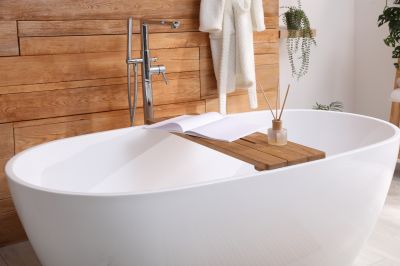 Installing a bathtub involves multiple considerations to ensure safety, durability, and aesthetic appeal. The process typically begins with selecting the appropriate bathtub type that fits the space and matches the homeowner's preferences. Proper preparation of the installation area, including plumbing and surface support, is essential for a smooth setup. Once the infrastructure is ready, choosing the right fixtures, surrounds, and sealing materials helps prevent leaks and water damage over time. Additionally, accessibility features such as grab bars or walk-in designs can enhance usability for all users.
Top Overall Option
Universal Bathtub Installation Kit
A comprehensive installation kit that includes all necessary hardware, seals, and mounting components designed for versatility across various bathtub models and bathroom configurations. It offers detailed instructions and high-quality materials to support a secure and lasting installation.
Types of Products For Bathtub Installations
Drop-in Bathtubs
Designed to be installed within a custom surround or deck, offering a seamless look and flexible design options.
Undermount Bathtubs
Installed beneath a countertop or platform, providing a sleek and modern appearance.
Walk-in Bathtubs
Features a door for easy access, suitable for accessibility needs.
Freestanding Bathtubs
Stand-alone units that do not require built-in surrounds, ideal for versatile placement.
Corner Bathtubs
Designed to fit into corner spaces, maximizing bathroom footprint.
Whirlpool and Jetted Tubs
Include built-in jets for hydrotherapy and relaxation, requiring specialized plumbing.
Clawfoot Tubs
Vintage style tubs with exposed feet, often installed as statement pieces.
Alcove Bathtubs
Fit into three-wall alcoves, commonly used in standard bathrooms.
Soaking Tubs
Designed for deep immersion, emphasizing comfort and relaxation.
Convertible Tubs
Can serve as both a shower and a bathtub, offering flexibility.
Cast Iron Tubs
Heavy, durable tubs with excellent heat retention, suitable for traditional aesthetics.
Acrylic Tubs
Lightweight and versatile, easy to install and maintain.
Fiberglass Tubs
Cost-effective option with quick installation, suitable for budget-conscious projects.
Corner Shower Tubs
Combination units that integrate shower and bathtub functionalities.
Plumbing Fixtures
Includes faucets, drains, and overflow covers compatible with various bathtub styles.
Bathtub Surrounds and Panels
Protective and decorative panels that enhance the aesthetic and waterproofing.
Sealing and Waterproofing Materials
Essential for preventing leaks and water damage around the installation area.
Support and Mounting Brackets
Ensure secure placement and stability of the bathtub during and after installation.
Popular Choices
Widely favored for their lightweight nature and ease of installation.
A popular choice for vintage or classic bathroom designs.
Commonly selected for maximizing space in standard bathrooms.
Increasingly popular for accessible bathroom upgrades.
Chosen for hydrotherapy features and relaxation benefits.
A budget-friendly option with quick installation times.
Preferred for their durability and traditional appeal.
A common choice for standard bathroom layouts.
Popular for their multi-functionality in small spaces.
Selected for comfort and ease of maintenance.
Favored for combining shower and bath functions in compact areas.
Essential accessories for ensuring a secure fit.
Frequently purchased to prevent leaks and water damage.
Popular for completing the plumbing connection during installation.
Chosen for aesthetic enhancement and waterproofing.
Widely selected to match various bathtub styles.
Commonly used to ensure proper leveling and stability.
Important for preventing moisture infiltration around the tub area.
The selection of installation accessories, including mounting brackets, drain assemblies, and waterproof membranes, plays a critical role in the longevity of the bathtub setup. It is also important to consider the compatibility of these components with existing plumbing and the overall bathroom design. Professional installation is often recommended to ensure all elements are correctly fitted and sealed, reducing the risk of future issues.
Maintenance and cleaning are ongoing concerns for bathtub owners. Using appropriate cleaning products and regularly inspecting seals and fixtures can help maintain the functionality and appearance of the bathtub. For those undertaking a renovation or new build, understanding the various product options available allows for a tailored approach that meets specific needs and preferences. Whether upgrading an existing setup or installing a new bathtub, careful planning and selection of quality products are key to achieving a satisfying result.
Key Buying Considerations
- Determine the available space and measure accurately to select appropriately sized tubs.
- Identify the primary function—whether for bathing, accessibility, or combination use.
- Choose the material based on durability, weight, and maintenance preferences.
- Consider the installation type—drop-in, undermount, freestanding, or alcove—based on your bathroom layout.
- Evaluate plumbing requirements and compatibility with existing fixtures.
- Assess the weight of the tub, especially for materials like cast iron, which may require reinforced flooring.
- Review the accessibility features if needed, such as low thresholds or walk-in doors.
- Check for compatibility with desired fixtures, including faucets, drains, and overflow covers.
- Consider the aesthetic style to match your bathroom decor, from vintage to modern designs.
- Investigate warranty and support options for the product and installation accessories.
- Budget for additional installation costs, including plumbing, sealing, and support hardware.
- Look into ease of cleaning and maintenance to ensure long-term satisfaction.
- Verify the availability of replacement parts and accessories for future upgrades or repairs.
- Assess waterproofing and sealing needs to prevent water damage and leaks.
- Read customer reviews and ratings to gauge real-world performance and satisfaction.